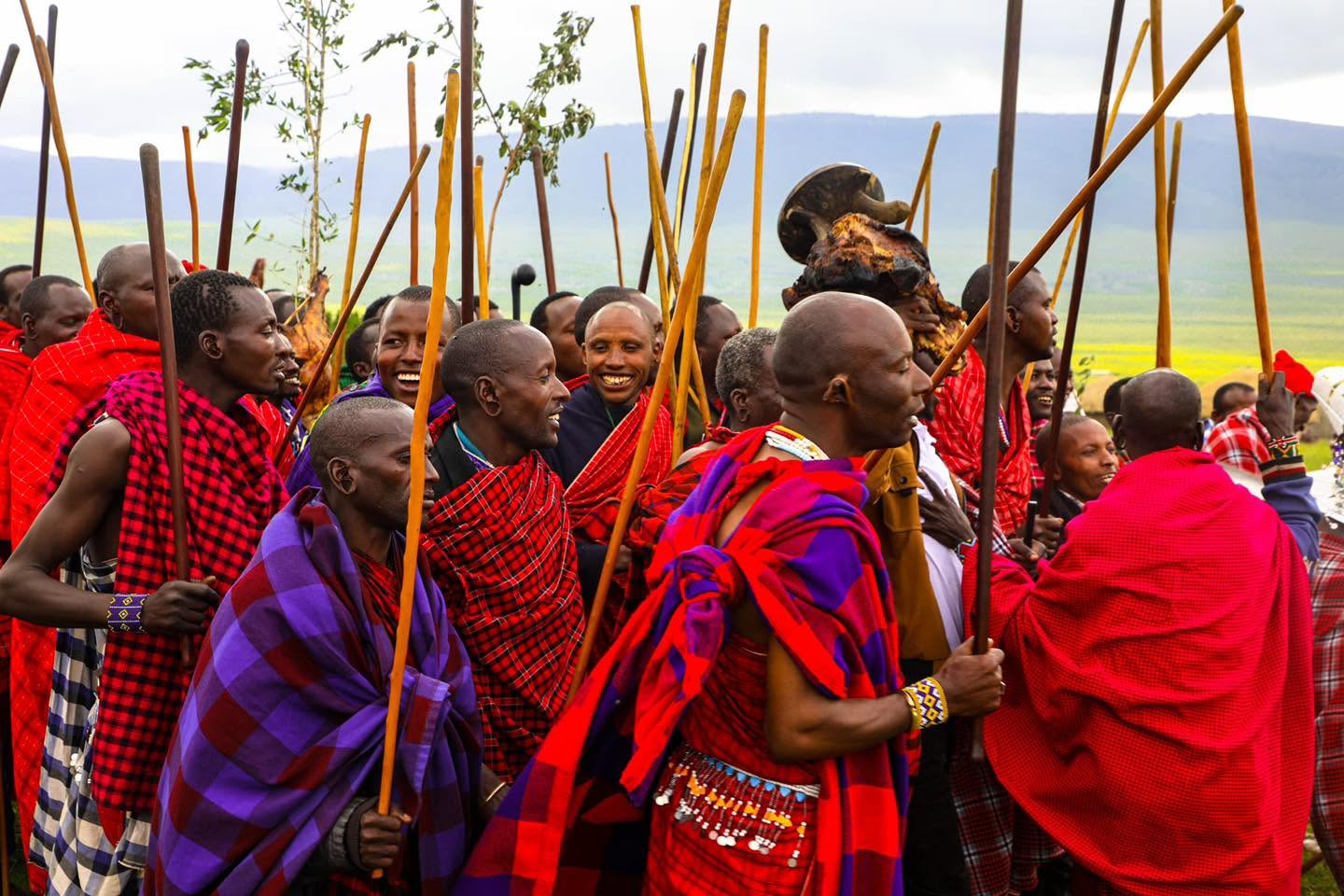
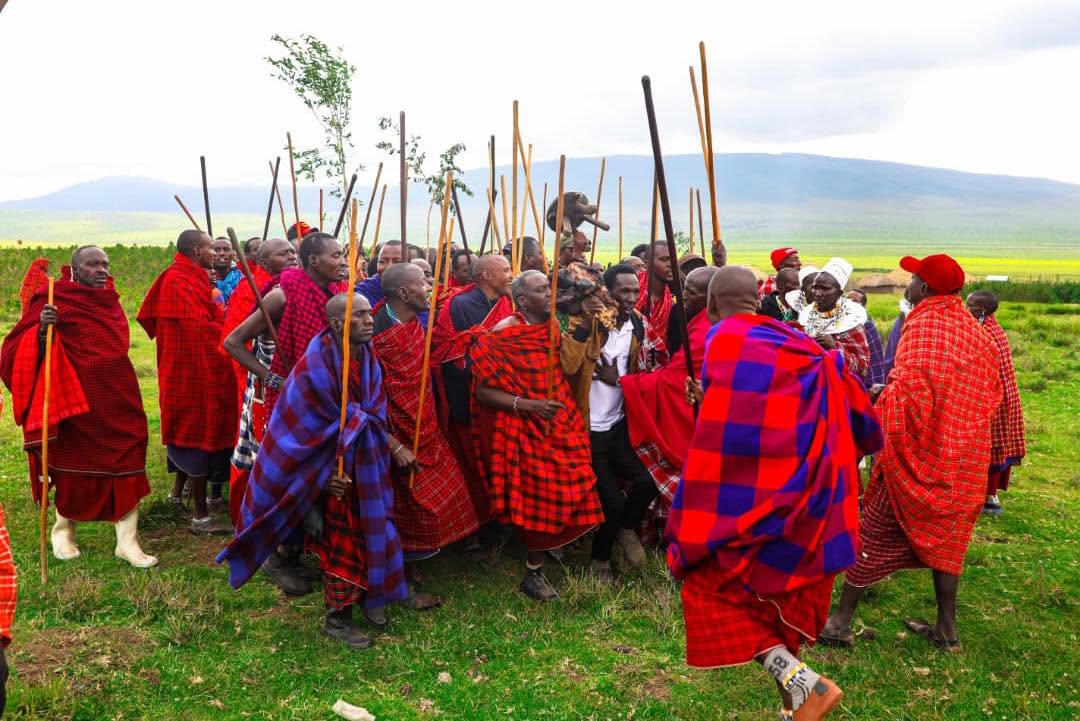
The Ancient Ceremony of Orkiteng le Sirit Preserves One of Tanzania's Most Unique Cultural Traditions
Deep within the Maasai communities of northern Tanzania, cultural traditions continue to thrive, preserving centuries-old customs that define identity, social responsibility, and community leadership. Among the most respected of these traditions is Orkiteng le Sirit, a significant rite of passage that marks a man's transition from adulthood into the revered status of elderhood.
Far more than a celebration, Orkiteng le Sirit represents the culmination of a lifetime of responsibilities, achievements, and service to family and community. The ceremony remains one of the most important cultural events among Maasai communities, particularly in the Ngorongoro area, where traditional customs continue to play a central role in daily life.
A Symbolic Farewell to Youth
In Maasai society, life is organized through age groups and stages that guide an individual's responsibilities and position within the community. As men progress through these stages, they eventually reach a point where they are formally recognized as elders through the Orkiteng le Sirit ceremony.
The event symbolizes a farewell to youth and the beginning of a new chapter characterized by wisdom, guidance, and leadership. Unlike many modern celebrations that focus on age, this cultural rite emphasizes personal achievement, family responsibility, and social standing.
To qualify for the ceremony, a man must meet several important requirements. He must be married, have both sons and daughters, possess a respected standing within society, demonstrate good moral character, and contribute positively to the welfare of his family and community.
Community elders also consider a person's reputation, conduct, and commitment to Maasai values before approving participation in the ceremony.
The Sacred Selection of the Age-Set Bull
One of the most symbolic aspects of the ceremony involves the selection of a special bull known as the "Age-Set Bull."
According to Maasai tradition, clan elders from respected family lineages are responsible for identifying an animal that meets specific cultural requirements. The chosen bull must be healthy and suitable according to traditional customs that have been passed down through generations.
The animal is treated with great respect and plays a central role in the ceremonial proceedings. Community leaders view its selection as an important cultural responsibility that reflects the significance of the event.
Speaking during one of the ceremonies, Maasai traditional leader Alaigwanani Maningo Rinjo explained that clan elders carefully evaluate and approve the animal according to established cultural guidelines before it can be used in the rite.
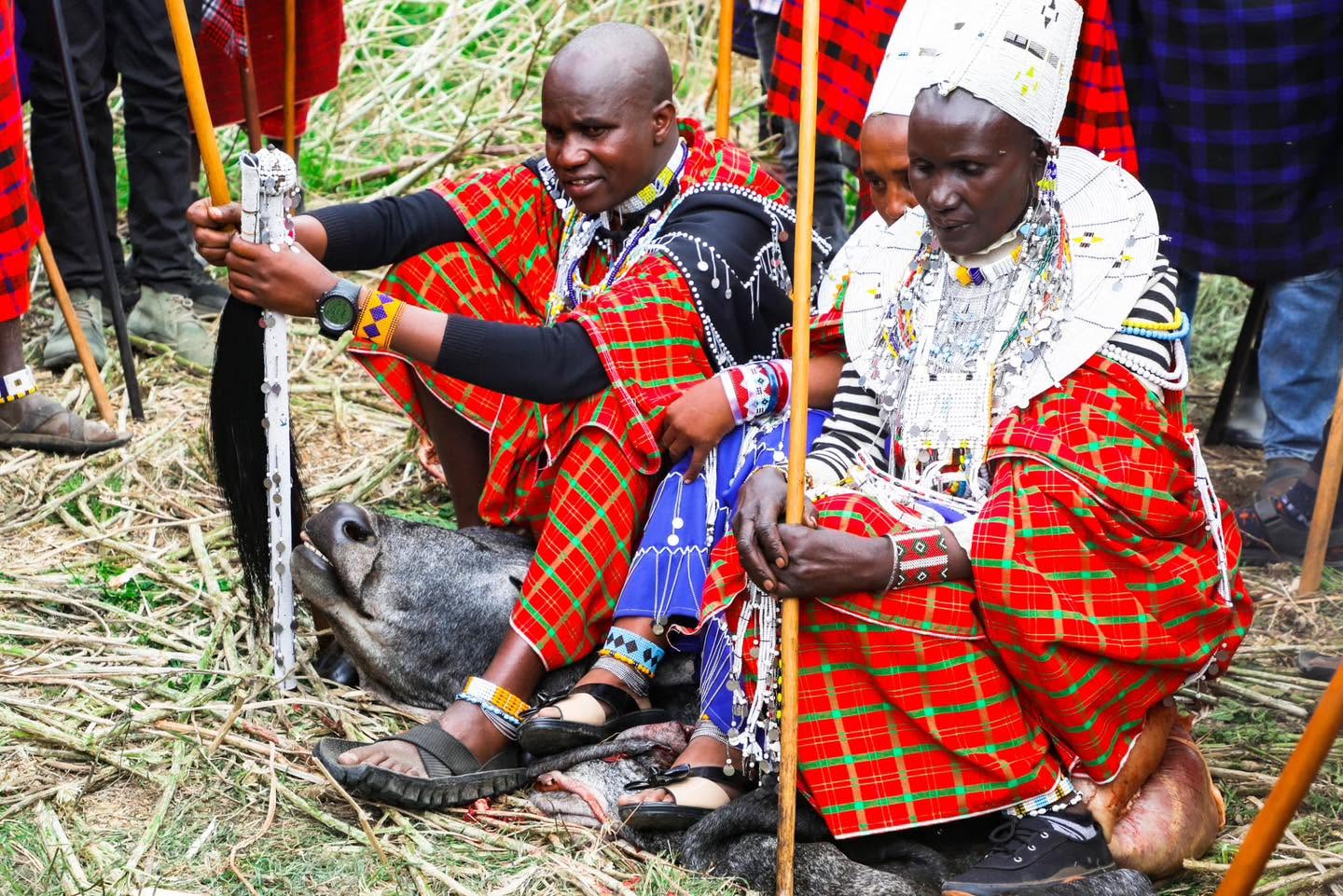
Family, Community and Cultural Identity
The Orkiteng le Sirit ceremony is not a private family occasion but a major community gathering attended by relatives, friends, neighboring families, and Maasai communities from surrounding villages.
The celebration reinforces social bonds and highlights the collective nature of Maasai life, where important milestones are shared and recognized by the entire community.
Alaigwanani Olonyori Lemoyan from Nainokanoka Ward in Ngorongoro explained that receiving the honor of elderhood requires more than age alone.
According to traditional standards, a man must demonstrate responsibility, possess a stable family life, maintain positive relationships with relatives and neighbors, and earn the approval of both his clan and community.
Entering the Circle of Elders
Following the ceremonial rituals, the newly recognized elder is officially welcomed into the respected circle of senior community members.
Traditional songs, blessings, and celebrations accompany this transition, as members of the same age-set gather to congratulate their colleague on reaching this important stage of life.
The songs and dances performed during the occasion symbolize acceptance into the elder generation and recognition of the individual's new responsibilities.
From this point forward, the elder gains a greater role in cultural affairs, conflict resolution, community decision-making, and the preservation of Maasai traditions.
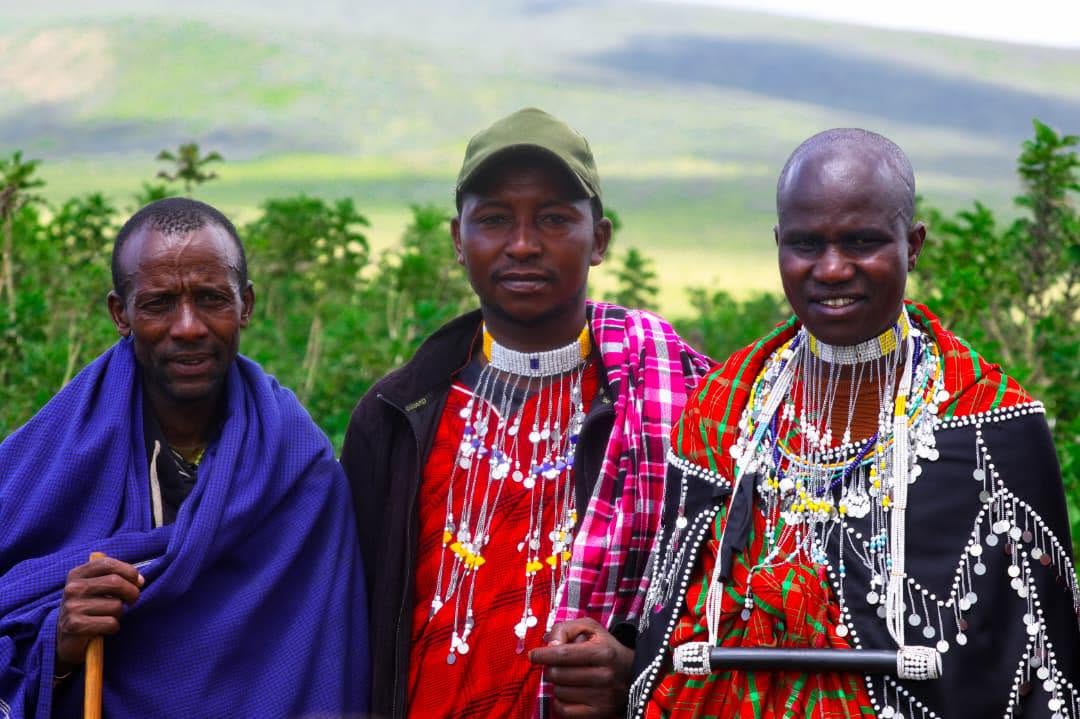
A Living Cultural Heritage
As Tanzania continues to attract visitors interested in authentic cultural experiences, ceremonies such as Orkiteng le Sirit offer a rare glimpse into one of Africa's most enduring indigenous cultures.
The Maasai people remain internationally recognized for their vibrant traditions, distinctive dress, pastoral lifestyle, and deep connection to their ancestral heritage.
Cultural events and traditional practices found in areas such as Ngorongoro provide opportunities for responsible cultural tourism, allowing visitors to learn about local customs while supporting the preservation of community traditions.
Preserving Traditions for Future Generations
For the Maasai community, Orkiteng le Sirit is much more than a ceremonial event. It serves as a living classroom where younger generations learn values of responsibility, respect, leadership, and community service.
As modernization continues to transform societies around the world, traditions such as these remain important reminders of cultural identity and continuity.
The ceremony stands as a testament to the resilience of Maasai heritage and the community's commitment to passing its customs from one generation to the next.
In the heart of Ngorongoro, where spectacular landscapes meet rich cultural traditions, Orkiteng le Sirit continues to celebrate one of life's most meaningful journeys—the transition from accomplished adulthood to honored elderhood, ensuring that the wisdom of the past remains a guiding force for the future.